How the Tradition Began
The series began with a conversation. After a New York trade show around 1980, William H. Blenko Jr. shared a ride with an executive of Charleston's Diamond Department Store, who asked for something no one was making: a limited, signed, and numbered piece of West Virginia glass, sold only at the Diamond, to honor the state's birthday. Design director Don Shepherd produced prototypes in crystal, a four footed bowl was chosen, and on June 20, 1980 the first West Virginia Day piece went on sale: one piece for each of the state's 117 years, priced under fifty dollars.
The formula set that day has never changed. Each year's edition equals West Virginia's age, each piece is signed by the designer and a member of the Blenko family, and each is sold on West Virginia Day, one to a customer. As the Diamond closed, the sale moved to Stone & Thomas and Elder-Beerman department stores, then to the Clay Center in Charleston, and finally home to the Visitor Center in Milton, where in the years of in-person sales collectors camped overnight, and sometimes days ahead, for low numbers. Since 2007 the Blenko family has donated a piece from each edition to West Virginia University's art collection, keeping one complete set in public hands.
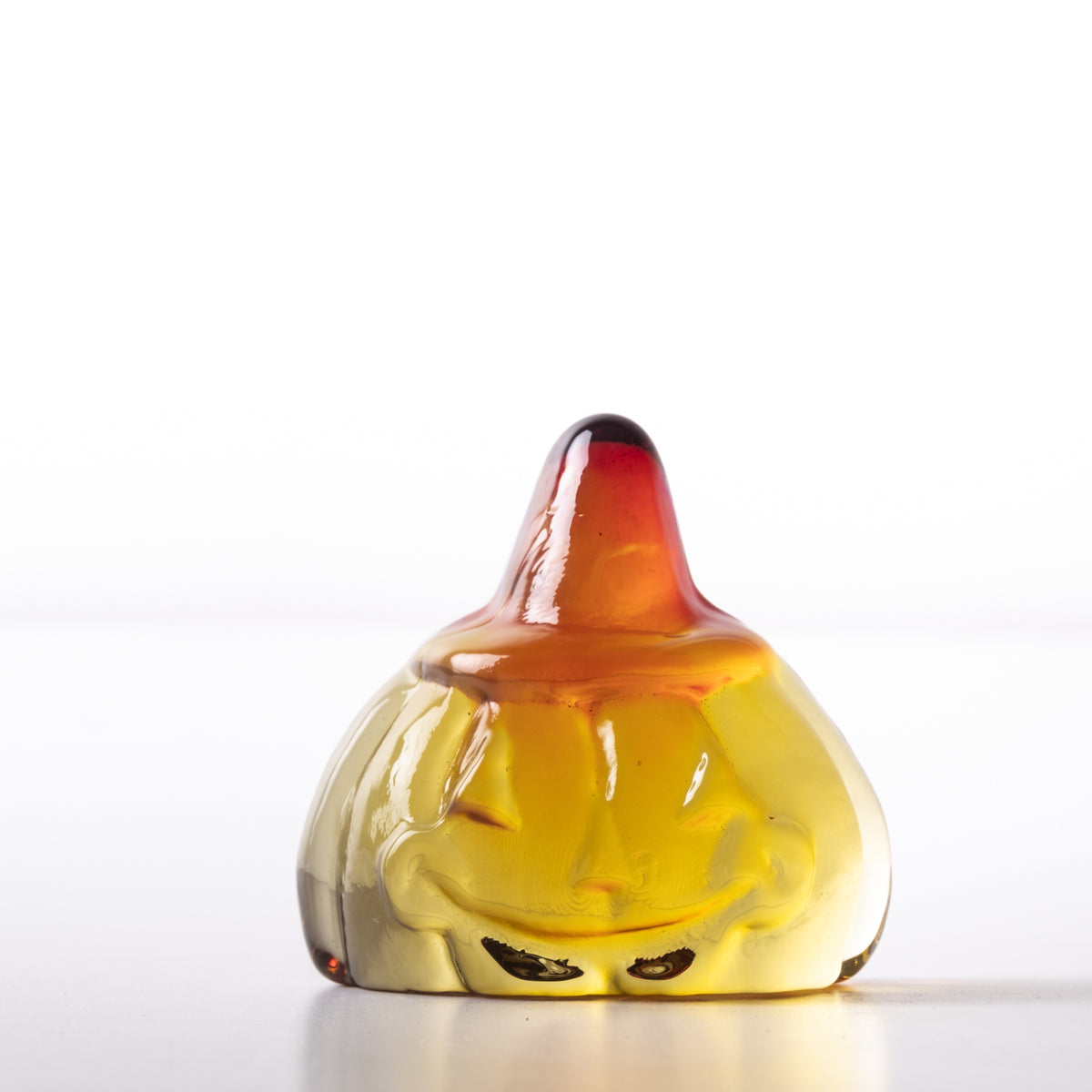
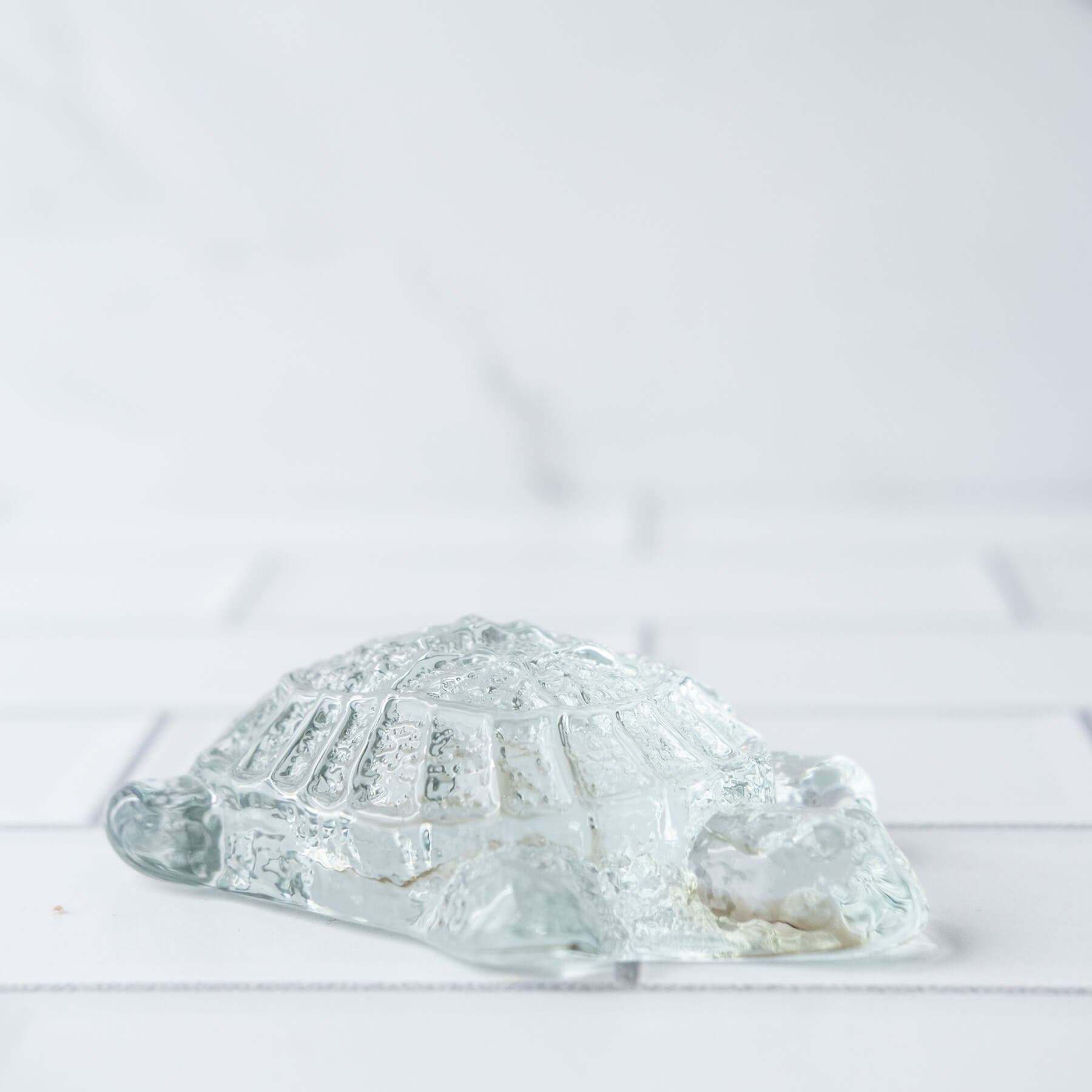
Every design director since Shepherd has taken a turn: Hank Adams in the early 1990s, Matt Carter in the late 1990s, Arlon Bayliss for a decade beginning in 2007, Aaron Harvey in 2017, and the team of Emma Walters and Andrew Shaffer in 2018 and 2019. Recent pieces have come from guest designers: Charles Harshbarger in 2020, Liz Pavlovic in 2021, Kelsey Murphy in 2022, James Arnett in 2023 and 2024, and Ash Boggs in 2025. Where a piece’s designer is documented, the name appears with its year in the gallery below.
The tradition has also changed how it reaches collectors. Since the COVID-19 pandemic, West Virginia Day releases have moved online and are sold at auction. Handmade work at this scale carries real costs, and each year’s piece must now earn enough to keep the tradition viable; the company has written candidly about those economics on its blog.